There is a profound alchemy that occurs within the walls of a stockpot. Simple ingredients—water, vegetables, aromatics, and proteins—transform into something far greater than the sum of their parts. In the world of gastronomy, few dishes bridge the gap between humble sustenance and haute cuisine quite like soup. This guide serves as your compass to navigating the vast landscape of the best soup recipes, curated for the modern home chef who values both flavor and finesse.
Whether you are looking to curate a sophisticated starter for a dinner party or seeking the restorative properties of a warm broth on a rainy afternoon, the secret lies in technique, timing, and the quality of your ingredients.
The Foundation: Broths and Healing Elixirs
Every culinary masterpiece is built on a solid foundation. In soup making, that foundation is the broth. While store-bought cartons serve a purpose in a pinch, there is no substitute for the rich, gelatinous mouthfeel of a homemade stock.
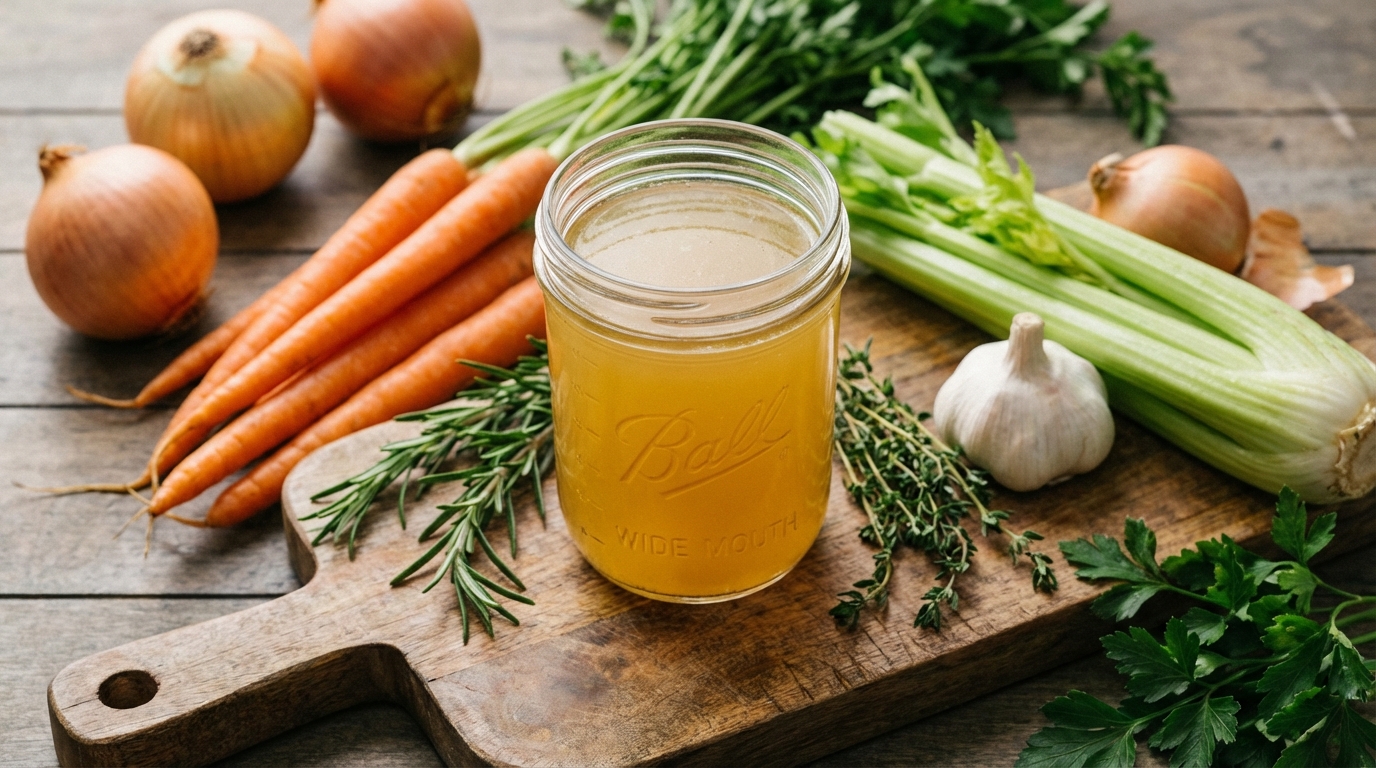
For those interested in wellness and gut health, the resurgence of traditional cooking methods has brought collagen-rich liquids back into the spotlight. Simmering bones for 12 to 24 hours extracts vital nutrients and creates a depth of flavor that impossible to replicate artificially. If you are seeking recipes that prioritize restoration and immune support, explore our dedicated section on Healing Bone Broths & Noodle Soups.
Weeknight Elegance: Speed Without Compromise
The modern lifestyle often leaves little room for all-day simmering. However, time constraints should never necessitate a compromise on taste. The mark of a skilled cook is the ability to utilize pantry staples to create complex flavors quickly.
By utilizing high-impact ingredients like caramelized onions, tomato paste, and deglazing wines, you can achieve a "simmered all day" taste in under an hour. We have curated a selection of recipes specifically designed for the busy professional who refuses to sacrifice quality. Discover how to create gourmet results rapidly in our guide to Quick 30-Minute Weeknight Soups.
Texture and Indulgence: The Creamy Classics
There is a specific category of soup that feels less like a meal and more like a warm hug. We are speaking, of course, of bisques and chowders. Achieving that perfect, velvety texture requires an understanding of thickening agents—from the classic French roux to the modern technique of blending roasted vegetables with cashews or heavy cream.
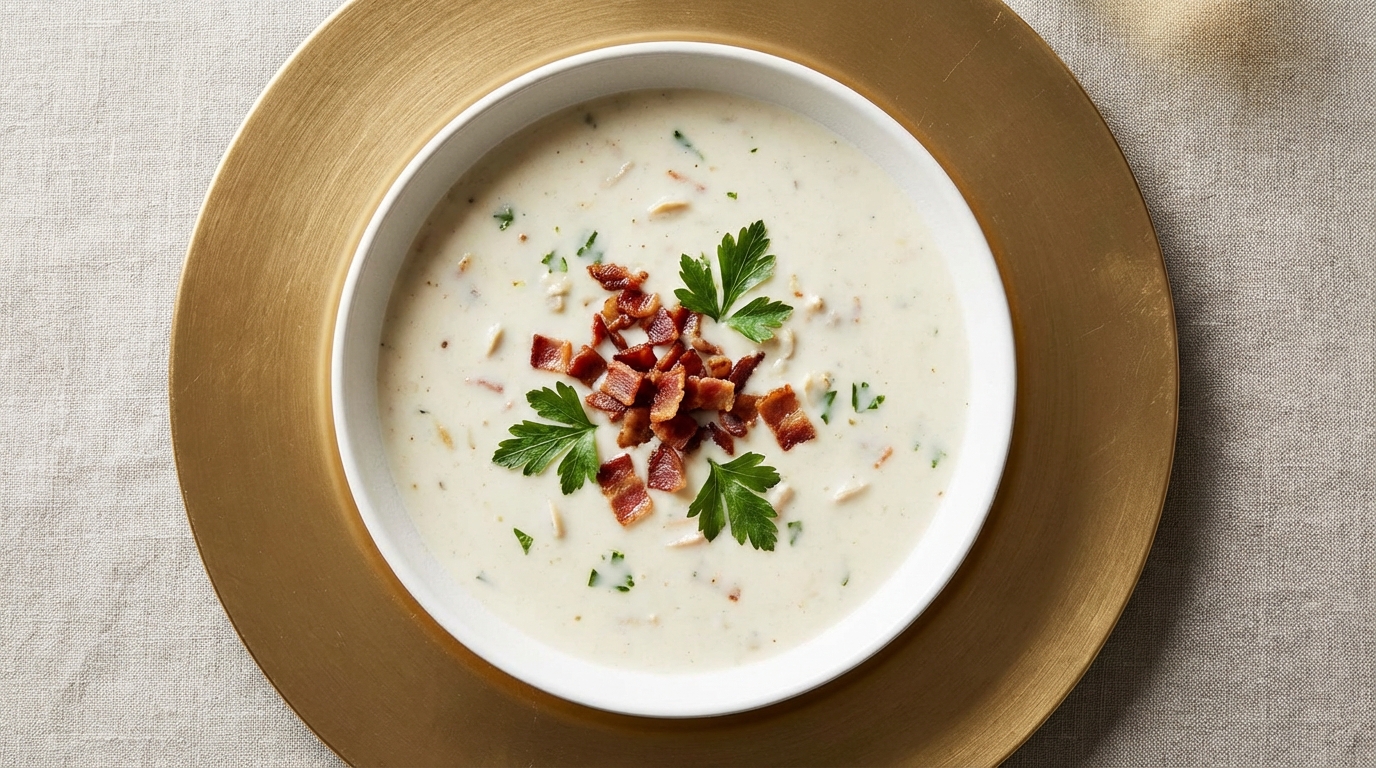
Whether it is the briny sweetness of a New England Clam Chowder or the earthiness of a Roasted Tomato Basil Bisque, these recipes are perfect for when you need something substantial and luxurious. Dive into the decadent world of Creamy Bisques and Chowders.
Plant-Based Depth: Hearty Vegetable Stews
Gone are the days when vegetarian soups were considered mere side dishes. By leveraging the umami power of ingredients like mushrooms, lentils, and roasted root vegetables, plant-based stews can be the centerpiece of any dining table.
The key to the best soup recipes in this category is layering. Roasting vegetables before simmering them adds a caramelization that boils alone cannot achieve. Furthermore, the inclusion of legumes provides the protein necessary to transform a light soup into a hearty meal. For nutrient-packed recipes that satisfy even the most carnivorous appetites, visit our collection of Hearty Vegetarian & Vegan Stews.
Modern Techniques: The Slow Cooker & Instant Pot
In the pursuit of the perfect soup, technology is a powerful ally. The Slow Cooker allows flavors to meld gently over hours, breaking down tougher cuts of meat until they are spoon-tender. Conversely, the Instant Pot uses pressure to force moisture and flavor into ingredients in record time.
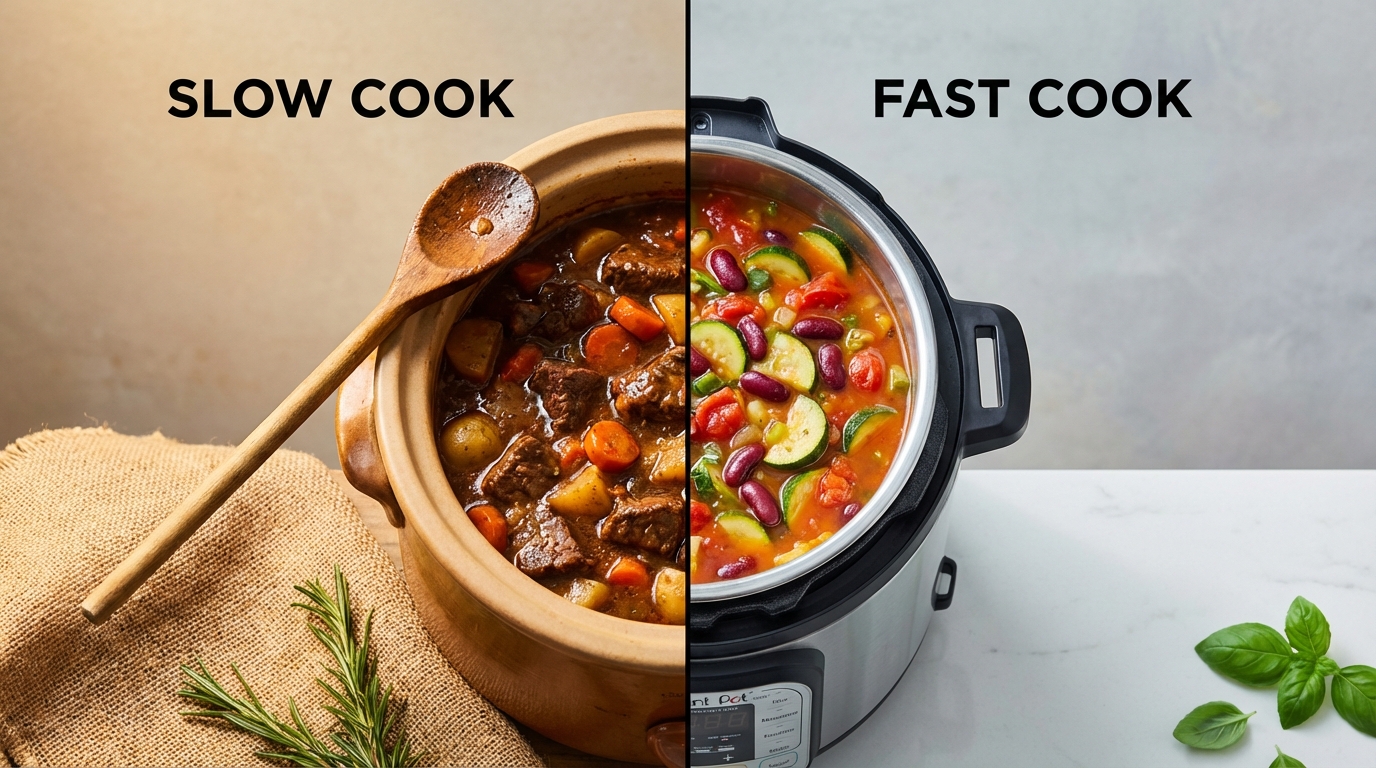
These appliances are particularly excellent for recipes requiring deep flavor development without constant supervision. They embody the "set-it-and-forget-it" philosophy while delivering gourmet results. Learn how to leverage your appliances with our Slow Cooker & Instant Pot Favorites.
Final Tips for the Home Chef
- Acid is Key: If your soup tastes flat, it likely doesn't need more salt; it needs acid. A squeeze of lemon juice or a dash of vinegar right before serving can brighten the entire profile.
- Garnish Wisely: Texture is the enemy of monotony. Add crunch with croutons, toasted seeds, or crispy prosciutto.
- Cooling and Storage: Soup often tastes better the next day. Allow it to cool completely before refrigerating to prevent bacterial growth and ensure the flavors marry perfectly.
Cooking soup is an act of patience and creativity. With these resources and recipes at your fingertips, you are equipped to turn your kitchen into a haven of warmth and flavor.