
There is a profound alchemy that happens when vegetables, legumes, and broth are allowed to mingle slowly in a heavy pot. The result is not merely soup; it is a restorative embrace.
In the expansive world of culinary comfort, few dishes command the room quite like a well-executed stew. While our Ultimate Guide to Best Soup Recipes covers everything from delicate broths to summer gazpachos, there is a special place at the table for the hearty, spoon-standing thickness of a vegetable stew.
For the plant-based eater—or simply the discerning gourmand looking to reduce meat consumption—the challenge lies in creating depth. How do we replicate the stick-to-your-ribs satisfaction of a beef bourguignon without the beef? The answer lies in the strategic layering of umami, the careful selection of textural elements, and the patience to let flavors marry.
The Architecture of Flavor: Building Umami
A common critique of vegetarian soups is a perceived lack of "meaty" flavor. However, richness is not the exclusive domain of animal products. To create a stew that resonates with luxury and depth, we must turn to the plant kingdom's heavy hitters.
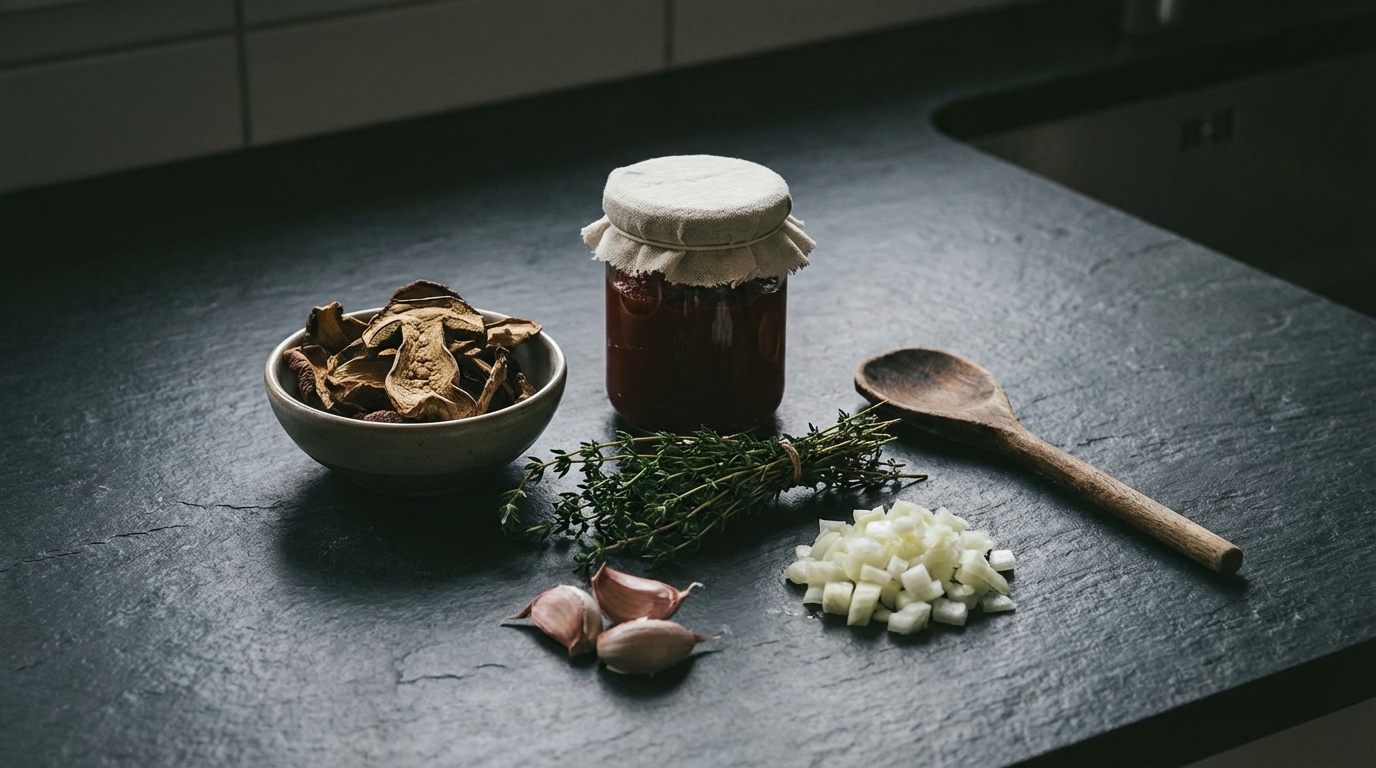
Ingredients like caramelized onions, tomato paste browned until rust-colored, and dried porcini mushrooms rehydrated in wine form a foundation that is arguably more complex than meat alone. Fermented elements, such as a tablespoon of miso paste or a splash of tamari added at the end, provide that savory je ne sais quoi that keeps you coming back for another spoonful.
Substance and Satiety: The Role of Legumes
While broth provides the canvas, legumes provide the structure. In our exploration of Creamy Bisques and Chowders, texture often comes from dairy or pureed vegetables. In hearty stews, however, we look to lentils and beans to provide the chew and protein required for a main course.
Lentils: The crown jewel of vegan stews. Brown and green lentils hold their shape beautifully during a long simmer, offering a texture that mimics ground meat. French Puy lentils, with their peppery bite, are particularly suited for recipes involving red wine and rosemary.
Beans: Whether it’s the creamy interior of a giant butter bean or the sturdy nature of a kidney bean, these powerhouses absorb the liquid they cook in, becoming flavor bombs in their own right. They transform a light vegetable soup into a meal that fuels you for hours.
If you are pressed for time, canned beans are a perfectly acceptable shortcut, which aligns well with the philosophy behind our Quick 30-Minute Weeknight Soups. However, for a true weekend project, soaking dried beans overnight allows for a creamier texture and better digestibility.
Root Vegetables: The Earthy Anchors
Winter squashes, parsnips, turnips, and sweet potatoes are the unsung heroes of the stew pot. Unlike delicate greens that wilt in seconds, root vegetables demand time. As they soften, they release their natural starches, thickening the broth naturally without the need for heavy flour rouxs.
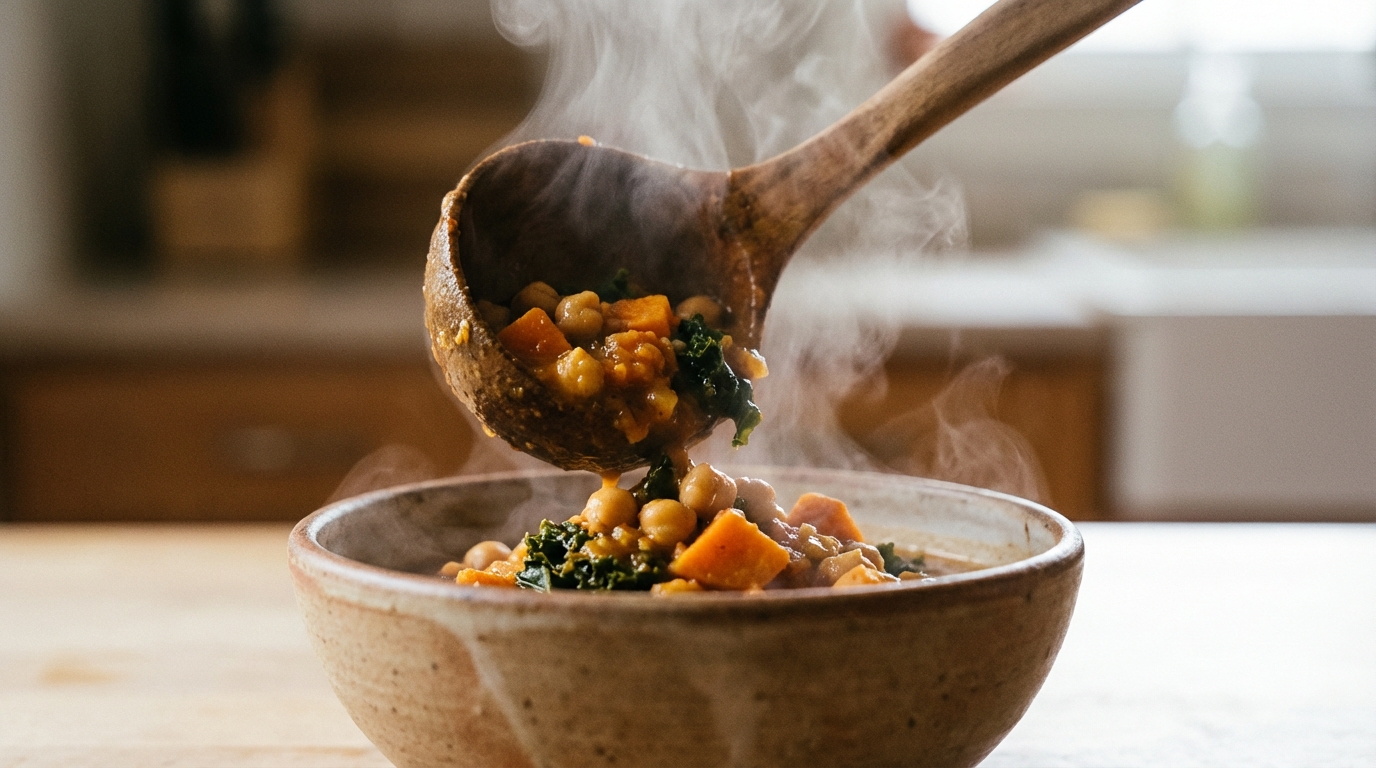
Roasting your root vegetables before adding them to the pot is a technique that adds a layer of caramelized sweetness, contrasting beautifully with savory herbs like sage and thyme. Imagine chunks of roasted butternut squash submerged in a spicy black bean broth—a perfect balance of sweet and heat.
Global Inspirations
The concept of a hearty vegetable stew transcends borders. By looking globally, we expand our palate beyond the traditional celery-carrot-onion triumvirate.
- North African Tagines: Combining chickpeas with dried apricots, cinnamon, and saffron creates a fragrant, sweet-and-savory profile that feels incredibly luxurious.
- Indian Dals: While technically a category of their own, thick lentil dals spiced with turmeric, cumin, and ginger offer immense comfort and anti-inflammatory properties, echoing the wellness focus found in our Healing Bone Broths & Noodle Soups (where you can easily swap bone broth for a mineral-rich vegetable stock).
- Tuscan Ribollita: A rustic Italian classic that uses day-old bread to thicken a stew of white beans and cavolo nero (black kale). It is peasant food elevated to an art form.
The Art of the Simmer vs. Modern Convenience
Traditionally, a good stew requires a low flame and a watchful eye. It is a Sunday afternoon ritual. The aromas fill the house, building anticipation. However, modern life does not always afford us the luxury of time.
Fortunately, root vegetables and legumes are ideally suited for pressure cooking and slow cooking. If you want to achieve that "simmered all day" flavor in a fraction of the time, or if you want to prep dinner before leaving for work, be sure to explore our collection of Slow Cooker & Instant Pot Favorites. These appliances are particularly adept at breaking down dried beans and infusing vegetables with broth without turning them into mush.
Finishing Touches
The difference between a good stew and a great one often lies in the garnish. Because stews are cooked for long periods, fresh elements added at the very end provide a necessary brightness to cut through the richness.
Consider a gremolata (lemon zest, parsley, and garlic) for European-style stews, or a handful of fresh cilantro and a squeeze of lime for chili-based variations. A drizzle of high-quality olive oil or a dollop of coconut yogurt can also add a final layer of silkiness.
Vegetarian and vegan stews are not merely substitutes for meat dishes; they are a celebration of the harvest. They are vibrant, textural, and deeply nourishing meals that prove plants can satisfy the heartiest of appetites.