There is a distinct romance to the concept of a soup that has bubbled gently for hours, filling the home with an intoxicating aroma that promises comfort long before the first spoonful is lifted. In the modern culinary landscape, however, time is our most luxurious commodity.
Enter the kitchen workhorses of the 21st century: the Slow Cooker and the Instant Pot. Far from being mere vessels for convenience, these appliances, when used correctly, are instruments of culinary precision. They allow the home cook to achieve the deep, developed flavor profiles usually reserved for professional kitchens, all while reclaiming the day.
The Slow Cooker: Patience as an Ingredient
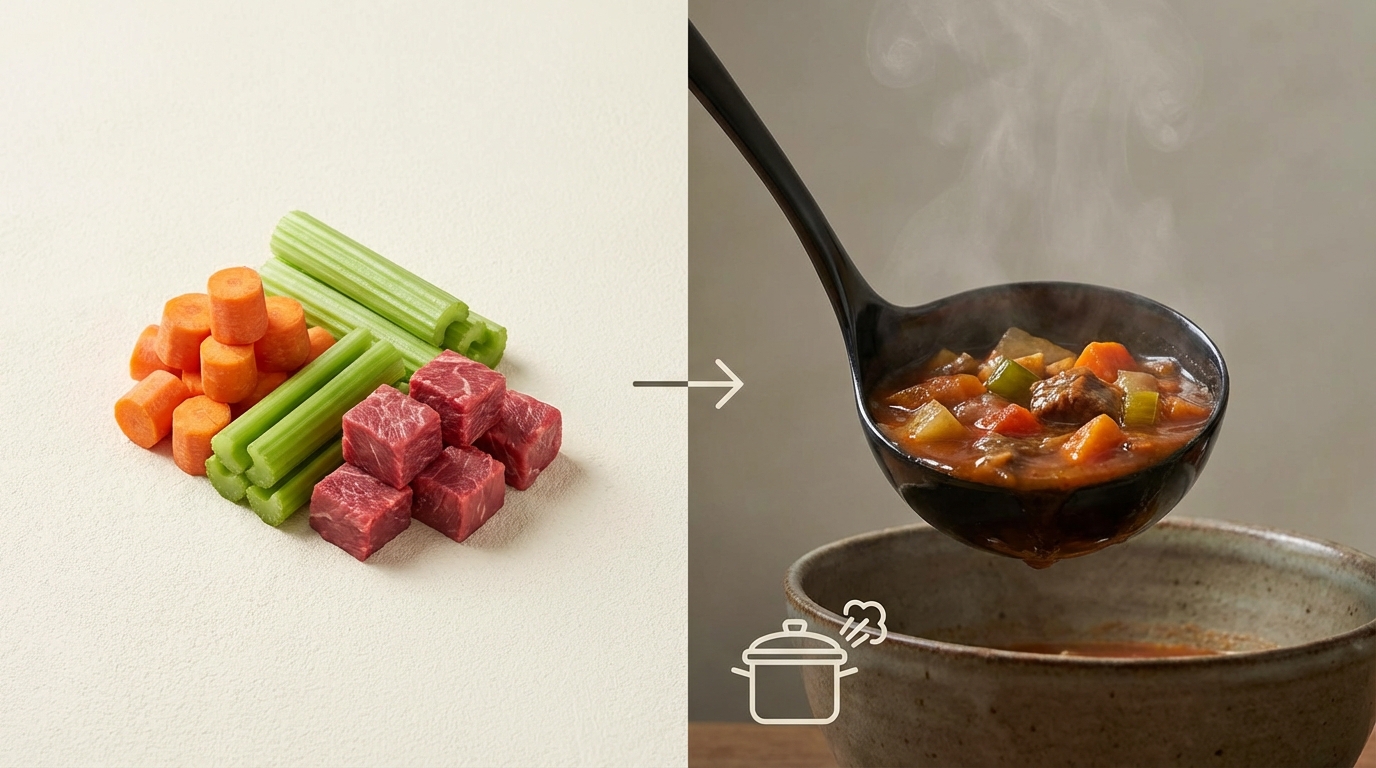
The slow cooker, or Crock-Pot, operates on the philosophy that good things come to those who wait. By maintaining a low, steady temperature over four to eight hours, it allows connective tissues in meats to gelatinize and sturdy root vegetables to soften without losing their structural integrity.
This method is particularly effective for recipes that rely on the melding of complex ingredients. For instance, when exploring Hearty Vegetarian & Vegan Stews, the slow cooker excels at ensuring dried beans and lentils become perfectly tender while absorbing the savory notes of vegetable stock and herbs.
Elevating the 'Dump-and-Go'
While the appeal of 'dump-and-go' recipes is undeniable, a few minutes of prep can elevate a dish from standard to sublime. We recommend searing your proteins and sautéing onions and garlic in a separate pan (or the sauté function of your multi-cooker) before switching to the slow cook setting. This caramelization creates a fond—those brown bits stuck to the bottom of the pan—which is the foundation of a sophisticated flavor profile.
The Instant Pot: High-Pressure Alchemy
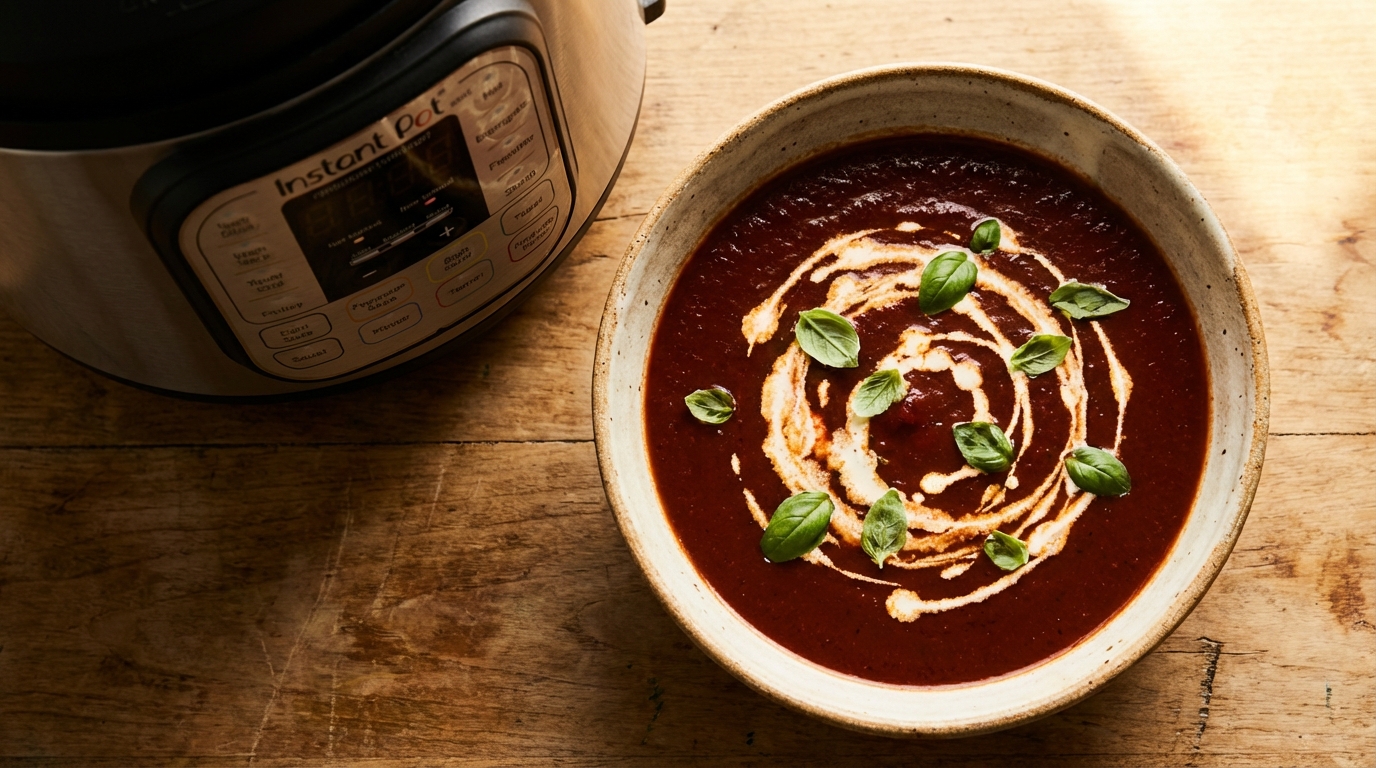
If the slow cooker is a gentle embrace, the Instant Pot is a firm handshake. By raising the boiling point of water through pressure, this appliance forces heat and moisture into food at an accelerated rate. It is a miracle worker for extracting flavor.
One of the best uses for the Instant Pot is in the creation of bases. We discuss the restorative properties of stocks in our guide to Healing Bone Broths & Noodle Soups. Traditionally, a good bone broth requires 12 to 24 hours on the stove. With an Instant Pot, you can achieve that same gelatinous, nutrient-dense gold liquid in under three hours. The pressure forces the collagen out of the bones rapidly, creating a stock that adds body and mouthfeel to any soup it graces.
Adapting Classics for Modern Appliances
Not every soup needs eight hours, nor does every soup need pressure. Understanding which appliance suits your schedule—and your palate—is key. While our Quick 30-Minute Weeknight Soups are designed for stovetop velocity, adapting them to an Instant Pot can make them even more hands-off.
However, caution is required with dairy. If you are preparing Creamy Bisques and Chowders, remember that high heat and long cook times can cause milk and cream to curdle. The golden rule for creamy appliance soups is to stir in the cream, milk, or coconut milk after the cooking cycle is complete, using the residual heat to warm it through.
The 'Set-it-and-Forget-it' Strategy
The true luxury of these appliances is the mental freedom they provide. You can assemble a complex Chicken Tortilla soup or a Beef Burgundy before work, and return home to a meal that tastes like it has been tended to by a private chef. Here are three tips for success:
- Liquid Ratios: Slow cookers retain liquid, while stovetops evaporate it. Reduce your liquid by about 20% when converting a standard recipe to a slow cooker.
- Fresh Finish: Long cooking times can mute the brightness of fresh herbs and acids. Always finish your slow-cooked masterpiece with a squeeze of fresh lemon juice or a handful of chopped parsley just before serving.
- Layered Thickening: If your stew is too thin, don't boil it endlessly. Ladle out some broth, whisk in cornstarch or arrowroot, and stir it back in (a slurry) for an immediate glossy texture.
Whether you are looking for the rapid infusion of an Instant Pot or the slow, romantic simmer of a Crock-Pot, these tools are essential for the modern soup connoisseur. They bridge the gap between our busy lives and our desire for deep, nourishing food. Be sure to explore our Ultimate Guide to Best Soup Recipes to find more inspiration for your next culinary creation.